



How does a high-concentration L-lysine immune liquid specifically assist in the prevention and treatment of feline herpesvirus infections?
Release Time : 2026-08-18
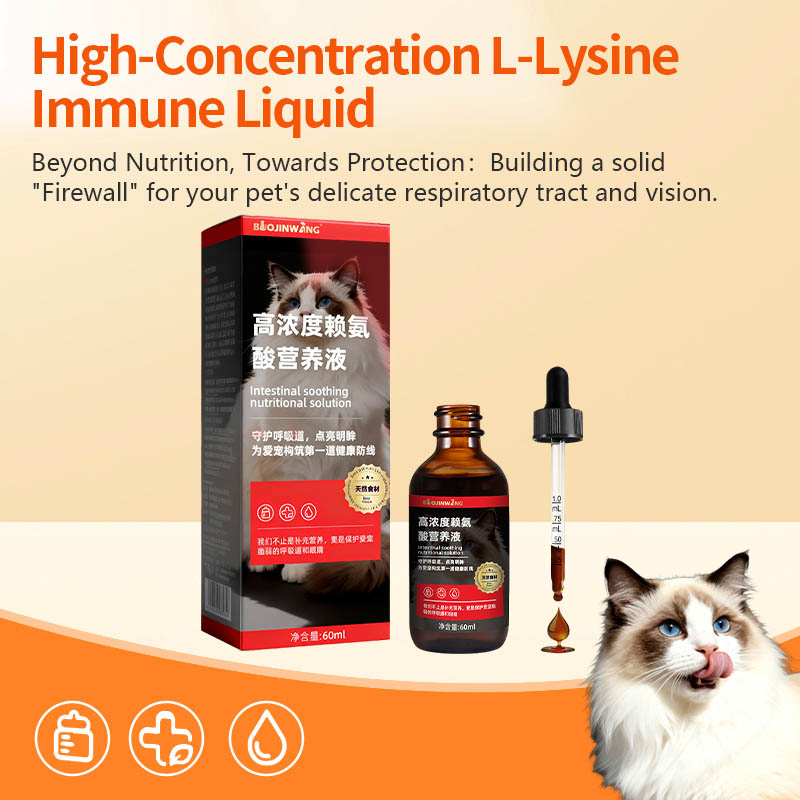
Feline herpesvirus-1 (FHV-1) is a highly contagious and pervasive pathogen responsible for severe upper respiratory tract infections and ocular diseases in cats. Once infected, cats typically become lifelong latent carriers, with the virus reactivating during periods of stress or immunosuppression. The management of this virus has historically relied on various therapeutic strategies, among which L-lysine supplementation has been a prominent focus. High-concentration L-lysine immune liquid is specifically formulated to assist in the prevention and treatment of these infections through targeted biochemical interactions and enhanced physiological delivery.
The primary theoretical mechanism by which L-lysine assists in treating feline herpesvirus is through competitive inhibition. Herpesviruses require the amino acid arginine for their replication and propagation within host cells. L-lysine shares a similar chemical structure and utilizes the same cellular transport pathways as arginine. By introducing high concentrations of L-lysine into the feline's system, the supplement is designed to compete with arginine for absorption. This competitive antagonism theoretically deprives the virus of the essential arginine it needs to synthesize viral proteins, thereby inhibiting viral replication and reducing the severity of clinical signs such as sneezing, nasal congestion, and conjunctivitis.
The liquid formulation of this immune supplement offers distinct pharmacokinetic advantages over traditional powders or chews. High-concentration L-lysine immune liquid is rapidly absorbed through the gastrointestinal tract, allowing for a quicker elevation of serum lysine levels. This rapid bioavailability is particularly beneficial during acute viral outbreaks when immediate therapeutic intervention is required. Furthermore, liquid formulations eliminate the need for extensive digestion, ensuring that the active amino acid reaches the systemic circulation efficiently to exert its antiviral effects.
In addition to its direct antiviral properties, L-lysine serves as a crucial nutritional support for the feline immune system. As an essential amino acid, L-lysine must be obtained through diet or supplementation, as cats cannot synthesize it endogenously. Adequate levels of L-lysine are vital for the synthesis of antibodies, enzymes, and hormones. During an active infection, the body's demand for amino acids increases significantly. High-concentration immune liquids provide a dense nutritional reservoir that supports the overall immune response, helping the cat's natural defenses clear the infection more effectively and potentially reducing the frequency of future recurrences.
The clinical application of high-concentration L-lysine immune liquid is often integrated into a broader therapeutic protocol. While it may not eradicate the latent virus, it plays a supportive role in managing active symptoms. Studies and clinical observations have suggested that consistent supplementation can reduce the duration and severity of upper respiratory tract infections. It is frequently administered alongside antiviral medications, such as famciclovir, or broad-spectrum antibiotics to prevent secondary bacterial infections. The liquid format also facilitates easier administration to cats experiencing anorexia or lethargy due to illness, ensuring they receive consistent therapeutic dosing.
Ultimately, high-concentration L-lysine immune liquid serves as a valuable adjunctive therapy in the management of feline herpesvirus. By leveraging the principles of competitive inhibition and providing rapid, bioavailable nutritional support, it assists in mitigating the impact of viral replication. While veterinary science continues to evaluate its standalone efficacy, its role in supporting the feline immune system and managing the distressing symptoms of upper respiratory tract infections remains a significant aspect of holistic feline healthcare.
The primary theoretical mechanism by which L-lysine assists in treating feline herpesvirus is through competitive inhibition. Herpesviruses require the amino acid arginine for their replication and propagation within host cells. L-lysine shares a similar chemical structure and utilizes the same cellular transport pathways as arginine. By introducing high concentrations of L-lysine into the feline's system, the supplement is designed to compete with arginine for absorption. This competitive antagonism theoretically deprives the virus of the essential arginine it needs to synthesize viral proteins, thereby inhibiting viral replication and reducing the severity of clinical signs such as sneezing, nasal congestion, and conjunctivitis.
The liquid formulation of this immune supplement offers distinct pharmacokinetic advantages over traditional powders or chews. High-concentration L-lysine immune liquid is rapidly absorbed through the gastrointestinal tract, allowing for a quicker elevation of serum lysine levels. This rapid bioavailability is particularly beneficial during acute viral outbreaks when immediate therapeutic intervention is required. Furthermore, liquid formulations eliminate the need for extensive digestion, ensuring that the active amino acid reaches the systemic circulation efficiently to exert its antiviral effects.
In addition to its direct antiviral properties, L-lysine serves as a crucial nutritional support for the feline immune system. As an essential amino acid, L-lysine must be obtained through diet or supplementation, as cats cannot synthesize it endogenously. Adequate levels of L-lysine are vital for the synthesis of antibodies, enzymes, and hormones. During an active infection, the body's demand for amino acids increases significantly. High-concentration immune liquids provide a dense nutritional reservoir that supports the overall immune response, helping the cat's natural defenses clear the infection more effectively and potentially reducing the frequency of future recurrences.
The clinical application of high-concentration L-lysine immune liquid is often integrated into a broader therapeutic protocol. While it may not eradicate the latent virus, it plays a supportive role in managing active symptoms. Studies and clinical observations have suggested that consistent supplementation can reduce the duration and severity of upper respiratory tract infections. It is frequently administered alongside antiviral medications, such as famciclovir, or broad-spectrum antibiotics to prevent secondary bacterial infections. The liquid format also facilitates easier administration to cats experiencing anorexia or lethargy due to illness, ensuring they receive consistent therapeutic dosing.
Ultimately, high-concentration L-lysine immune liquid serves as a valuable adjunctive therapy in the management of feline herpesvirus. By leveraging the principles of competitive inhibition and providing rapid, bioavailable nutritional support, it assists in mitigating the impact of viral replication. While veterinary science continues to evaluate its standalone efficacy, its role in supporting the feline immune system and managing the distressing symptoms of upper respiratory tract infections remains a significant aspect of holistic feline healthcare.