



How frequently should this high-concentration L-lysine immune liquid be administered to achieve optimal symptom relief?
Release Time : 2026-07-24
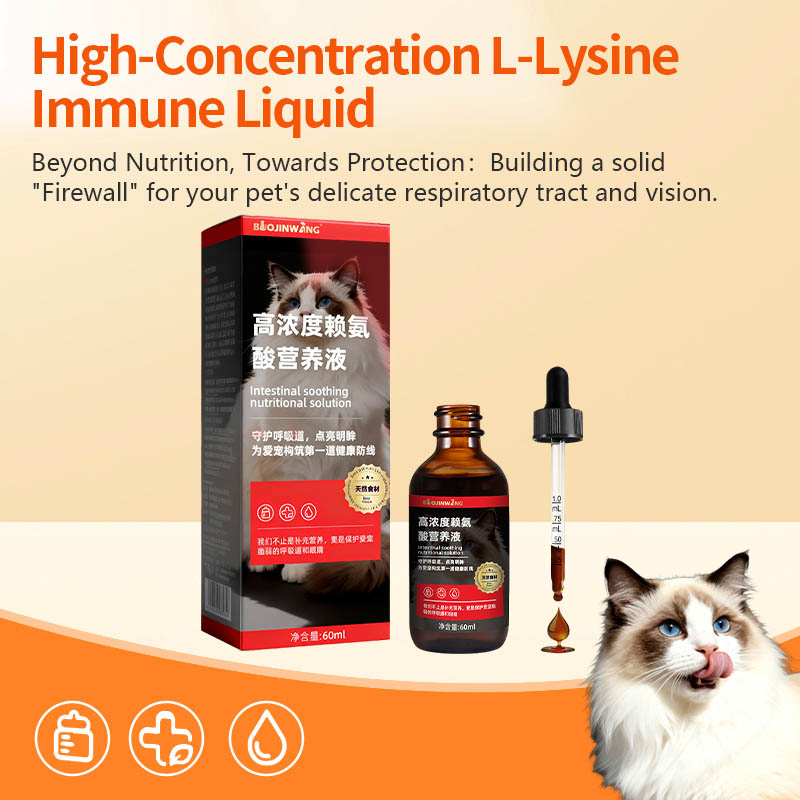
Determining the optimal administration frequency for high-concentration L-lysine immune liquid is a critical factor in successfully managing feline upper respiratory tract infections and mitigating the effects of feline herpesvirus. The therapeutic efficacy of this supplement relies heavily on maintaining a consistent and elevated level of the amino acid in the cat's bloodstream to effectively outcompete arginine, the primary nutrient the herpesvirus requires for replication. Because viral shedding and symptom severity can fluctuate, the dosing schedule must be strategically adjusted based on whether the cat is experiencing an acute outbreak or requires long-term maintenance.
During an acute phase of infection, characterized by active symptoms such as frequent sneezing, nasal discharge, conjunctivitis, or lethargy, a higher and more frequent administration schedule is typically required. Veterinary guidelines and clinical observations often recommend initiating treatment with a therapeutic dose administered twice daily. This frequent dosing ensures that the viral replication cycle is continuously suppressed, providing the cat's immune system with the necessary biochemical support to clear the active infection. For severe cases, a veterinarian might even suggest a short-term loading dose, but the twice-daily routine remains the standard for bringing acute symptoms under control. Consistency during this phase is paramount, as missing doses can allow the virus to rebound and prolong the recovery period.
Once the acute symptoms have visibly subsided and the cat has entered a stable recovery phase, the administration frequency can be safely reduced to a maintenance protocol. In this stage, a single daily dose of the high-concentration liquid is generally sufficient to maintain optimal lysine levels. This maintenance frequency serves as a preventative barrier, keeping the dormant virus suppressed and reducing the likelihood of future flare-ups triggered by environmental stressors such as moving, introducing new pets, or seasonal changes. The liquid formulation is particularly advantageous during both phases, as it allows for precise dose adjustments and is often more readily absorbed than solid forms, making it ideal for cats with compromised appetites.
The specific frequency can also be influenced by the individual cat's weight, overall health status, and the exact concentration of the L-lysine product being used. While general guidelines provide a strong framework, the unique metabolic rate of each feline means that some cats may require slight adjustments to achieve optimal symptom relief. It is highly recommended to monitor the cat's response to the chosen frequency closely. If symptoms persist despite a twice-daily regimen, or if gastrointestinal upset occurs, a veterinary consultation is necessary to recalibrate the dosing schedule. Ultimately, achieving optimal symptom relief with high-concentration L-lysine immune liquid is a dynamic process that requires transitioning from an aggressive, frequent dosing strategy during active illness to a consistent, lower-frequency maintenance routine for long-term respiratory health.
During an acute phase of infection, characterized by active symptoms such as frequent sneezing, nasal discharge, conjunctivitis, or lethargy, a higher and more frequent administration schedule is typically required. Veterinary guidelines and clinical observations often recommend initiating treatment with a therapeutic dose administered twice daily. This frequent dosing ensures that the viral replication cycle is continuously suppressed, providing the cat's immune system with the necessary biochemical support to clear the active infection. For severe cases, a veterinarian might even suggest a short-term loading dose, but the twice-daily routine remains the standard for bringing acute symptoms under control. Consistency during this phase is paramount, as missing doses can allow the virus to rebound and prolong the recovery period.
Once the acute symptoms have visibly subsided and the cat has entered a stable recovery phase, the administration frequency can be safely reduced to a maintenance protocol. In this stage, a single daily dose of the high-concentration liquid is generally sufficient to maintain optimal lysine levels. This maintenance frequency serves as a preventative barrier, keeping the dormant virus suppressed and reducing the likelihood of future flare-ups triggered by environmental stressors such as moving, introducing new pets, or seasonal changes. The liquid formulation is particularly advantageous during both phases, as it allows for precise dose adjustments and is often more readily absorbed than solid forms, making it ideal for cats with compromised appetites.
The specific frequency can also be influenced by the individual cat's weight, overall health status, and the exact concentration of the L-lysine product being used. While general guidelines provide a strong framework, the unique metabolic rate of each feline means that some cats may require slight adjustments to achieve optimal symptom relief. It is highly recommended to monitor the cat's response to the chosen frequency closely. If symptoms persist despite a twice-daily regimen, or if gastrointestinal upset occurs, a veterinary consultation is necessary to recalibrate the dosing schedule. Ultimately, achieving optimal symptom relief with high-concentration L-lysine immune liquid is a dynamic process that requires transitioning from an aggressive, frequent dosing strategy during active illness to a consistent, lower-frequency maintenance routine for long-term respiratory health.